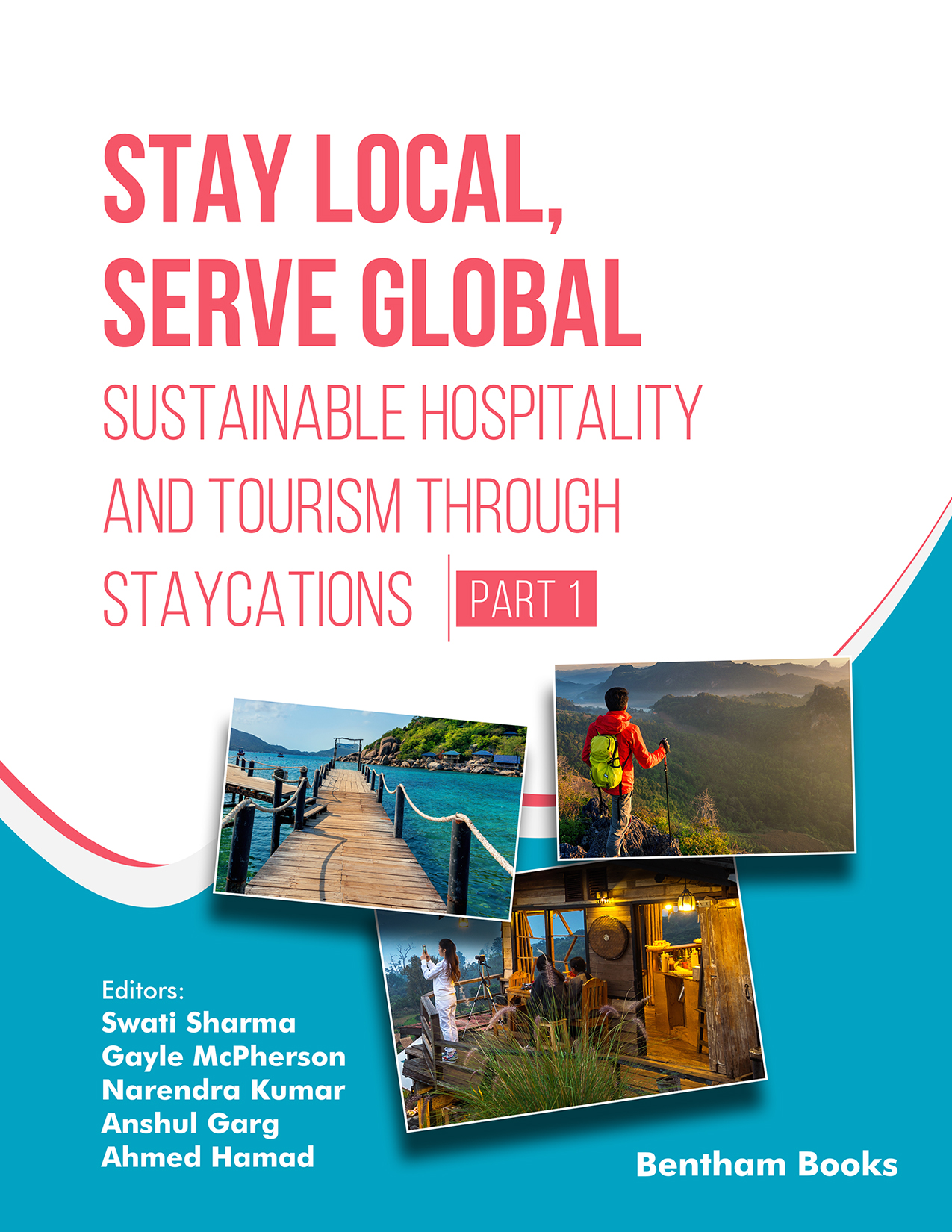
In an era of rapid globalization and heightened environmental consciousness, the travel and tourism industry stands at a crossroads. The traditional model of mass tourism, characterized by long-haul travel and excessive resource consumption, is increasingly challenged by a more mindful, localized approach. This paradigm shift has given rise to the concept of staycations—a form of tourism where travelers explore local attractions, stay within their own regions, and support local businesses. The phenomenon of staycations is not merely a response to global disruptions such as pandemics or economic downturns; it is a movement towards sustainable tourism, responsible consumption, and a renewed appreciation for local culture and heritage.
The edited book, "Stay Local, Serve Global: Sustainable Hospitality and Tourism through Staycations (Part 1)," delves into the transformative potential of this emerging trend. It explores how localized travel experiences can contribute to sustainable development, promote community empowerment, and reduce the environmental impact associated with conventional tourism. In doing so, it seeks to offer a comprehensive understanding of staycations as a powerful tool for reimagining the future of hospitality and tourism.
The term ‘staycation’ gained prominence during the global financial crisis of 2008, as travelers opted to explore their local surroundings instead of spending on international travel. However, it was the COVID-19 pandemic that significantly accelerated the popularity of staycations, as travel restrictions and safety concerns led people to rediscover local destinations. What initially began as a necessity soon evolved into a conscious choice for sustainable living and responsible tourism. This book captures this transition, examining how staycations have moved beyond a temporary trend to become a cornerstone of modern tourism.
Staycations challenge the conventional tourism model by encouraging travelers to ‘stay local’ while embracing the spirit of global citizenship. By reducing carbon footprints associated with long-distance travel, supporting local economies, and fostering community interactions, staycations contribute to the Sustainable Development Goals (SDGs) outlined by the United Nations. This book explores how hospitality providers, tour operators, and destination marketers can leverage the staycation trend to create meaningful, immersive, and eco-friendly travel experiences. The chapters in this volume examine the multifaceted aspects of staycations, from consumer behavior and marketing strategies to policy implications and community engagement. By adopting a multidisciplinary approach, the book provides insights into how staycations can be positioned as a sustainable alternative to conventional tourism. This book makes a significant contribution to the growing body of literature on sustainable tourism by positioning staycations as a strategic tool for achieving the triple bottom line of economic growth, social inclusivity, and environmental stewardship. It bridges the gap between theoretical perspectives and practical applications, offering actionable insights for academics, industry practitioners, policymakers, and students of tourism and hospitality. The successful completion of this book would not have been possible without the contributions of esteemed authors, reviewers, and industry experts who shared their valuable insights and expertise. We extend our heartfelt gratitude to all contributors for their commitment to advancing the discourse on sustainable tourism through staycations. Special thanks to the editorial team for their meticulous efforts in ensuring the highest standards of academic rigor and coherence.
As the world grapples with pressing environmental challenges and shifting consumer behaviors, the tourism industry must rethink its growth trajectory. "Stay Local, Serve Global: Sustainable Hospitality and Tourism through Staycations (Part 1)" is an endeavor to inspire a new way of thinking about travel—one that emphasizes sustainability, community engagement, and responsible consumption. We hope that this book serves as a catalyst for change, encouraging travelers to explore the richness of local cultures while contributing to global sustainability goals. With this vision, we invite readers to embark on a journey through the pages of this book, exploring the transformative potential of staycations and their role in shaping the future of hospitality and tourism.
Swati Sharma
Amity Institute of Travel and Tourism
Amity University
Noida, Uttar Pradesh, India
Gayle McPherson
Centre for Culture, Sport and Events
University of the West of Scotland
Paisley, Scotland, United Kingdom
Narendra Kumar
Amity Institute of Travel and Tourism
Amity University
Noida, Uttar Pradesh, India
Anshul Garg
School of Hospitality, Tourism and Events
Taylor’s University
Subang Jaya, Selangor, Malaysia
&
Ahmed Hamad
Faculty of Veterinary Medicine
Benha University
Benha, Egypt